
Forestry
Ngā Ngahere ō Muriwhenua Tika | Commercial assets and a living taonga
Forestry is one of the ways Muriwhenua Incorporation supports long-term economic resilience while protecting the whenua for future generations. Our approach recognises forests as both a commercial asset and a living taonga, with responsibilities that extend beyond financial return.
We work to ensure our forestry activities align with tikanga Māori, environmental stewardship, and the intergenerational aspirations of our whānau.
He taonga tuku iho – caring for the forests we inherit
Our vision is to give our people the ability to create their own wealth and determine how it is used, providing for today, while protecting tomorrow.
Our Approach to Forestry
Our forestry activities are guided by a long-term view — balancing sustainable land use, environmental care, and economic outcomes.
Key principles include:
- Responsible land management that protects soil, water, and biodiversity
- Sustainable harvesting and replanting practices
- Long-term planning that reflects intergenerational ownership
- Working with trusted partners and industry professionals
- Compliance with regulatory and environmental standards
Where appropriate, forestry provides steady, long-term income while allowing whenua to remain productive and protected.
Environmental Stewardship
We recognise our role as kaitiaki of the whenua. Forestry operations are approached with care for the natural environment and surrounding comunities. This includes consideration of:
- Waterways and riparian margins
- Native biodiversity and habitats
- Erosion control and land stability
- Climate resilience and carbon outcomes
Environmental responsibility is central to maintaining the mana and mauri of the land.
Ngā Ngāhere o Muriwhenua Tika
He ngahere ora, he iwi ora (A thriving forest, a thriving people)
Ngā Ngāhere o Muriwhenua Tika (NNOMT) is the commercial forestry arm of Muriwhenua Incorporation. NNOMT is wholly owned by Te Upoko Pūriti Rawa Asset Holdings Limited, which is a subsidiary of Muriwhenua Incorporation. This structure separates governance and operational oversight while ensuring accountability back to shareholders. The current directors of NNOMT are Allan Wells, Brad Norman and Des Minehan.
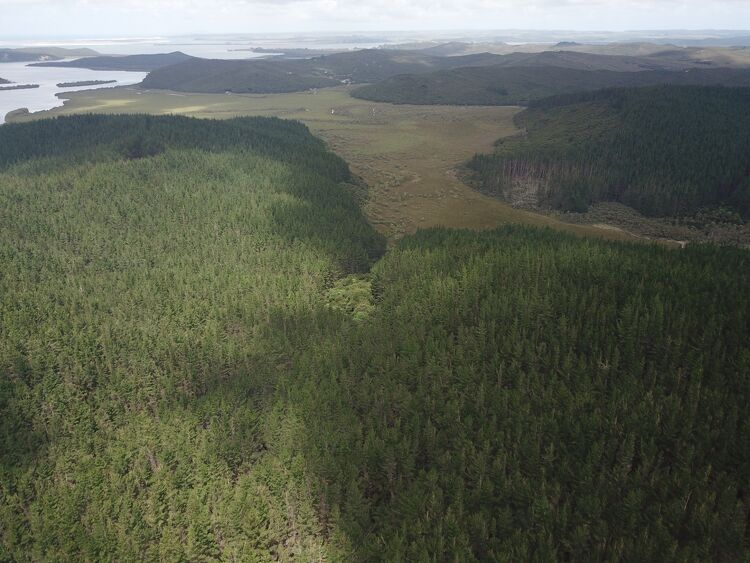
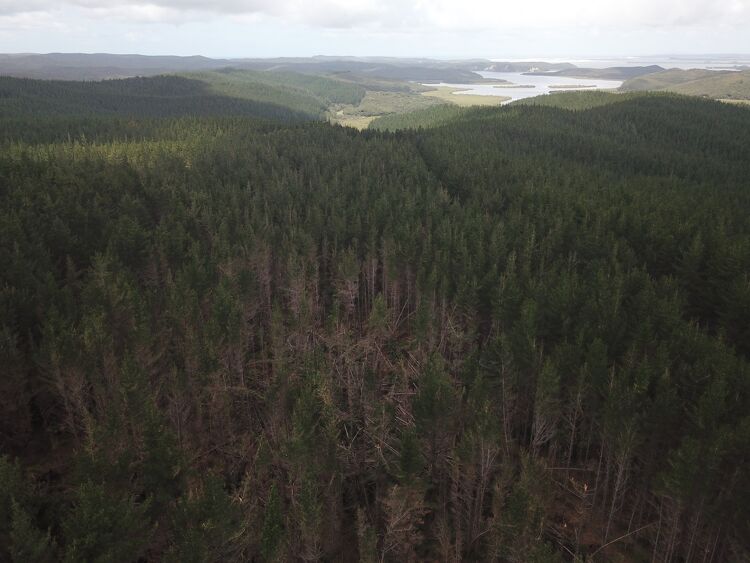
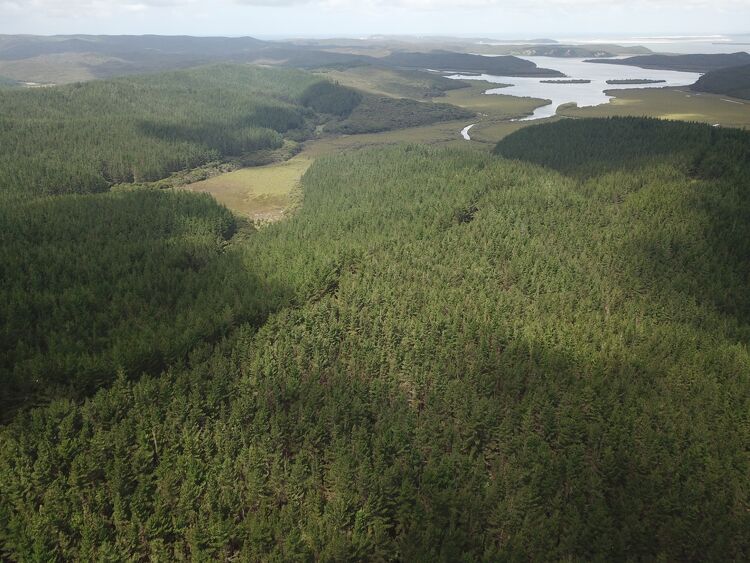
NNOMT manages the Te Hāpua Forest, a complex and logistically challenging forestry operation. Te Hāpua Forest is a long term intergenerational asset, held and managed for the benefit of current and future shareholders, while protecting the whenua, wai and taiao that sustain our people. The forest’s remoteness, terrain, roading constraints and long transport distances require careful planning, disciplined cost control and strong governance oversight.
Forestry is currently the primary income generating activity across Muriwhenua Incorporation. Income generated through NNOMT supports the wider kaupapa of the Incorporation, including housing, water, environmental protection and community initiatives.
NNOMT:
- Creates sustainable intergenerational value for shareholders, whānau, and whenua;
- Upholds kaitiakitanga over the whenua and taiao;
- Provides local employment opportunities, particularly for uri o Muriwhenua; and
- Ensures forestry activities meet regulatory, environmental and health and safety standards.
E pēhea ana te kōkiri a NNOMT?
Te kounga o te whakahaere ngahere
Since mid 2024, forestry operations have undergone a period of stabilisation and strengthening, both operationally and from a governance perspective. Key operational outcomes include:
- Reduction of harvesting crews from three to two to support a sustainable long term harvest plan, avoiding boom and bust cycles;
- Strengthened relationships with six key log buyers, improving revenue reliability; and
- Ongoing investment in roading, silviculture, forest maintenance and access, ensuring safety and productivity.
Te toitūtanga o te pūtea
Forestry activity drove a significant increase in group income in the 2025 financial year:
- Total group income increased from approximately $4.4m in 2024 to $9.1m in 2025, largely due to harvesting activity in Te Hāpua Forest;
- The group generated a gross surplus of around $1.06m, primarily from forestry operations; and
- Once operating costs were accounted for, the group recorded a small underlying operating surplus, indicating forestry remains fundamentally sound at an operational level.
Ngā āhuatanga o te mākete me ngā whakataunga utu
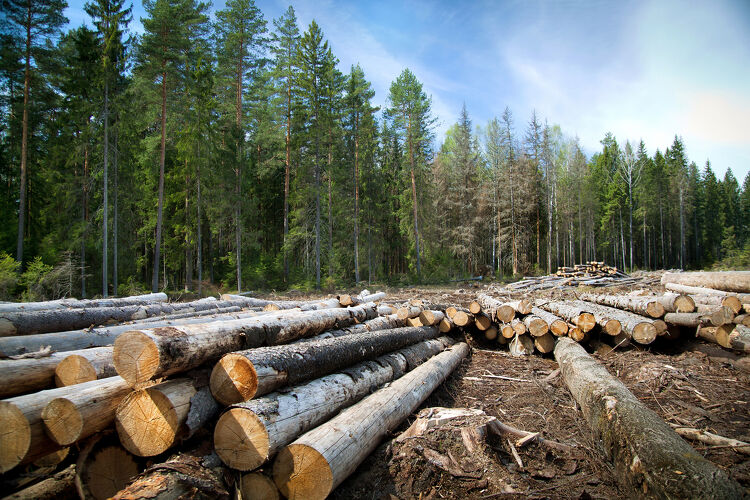
Global export log markets remain volatile, influenced by offshore demand, freight costs and economic uncertainty. In response, the NNOMT Board:
- Reviewed the export pricing model;
- Shifted from a rolling average approach to fixed export pricing arrangements; and
- Prioritised revenue certainty and risk reduction over chasing short term price peaks.
Te kaitiakitanga me te tiaki i te taiao
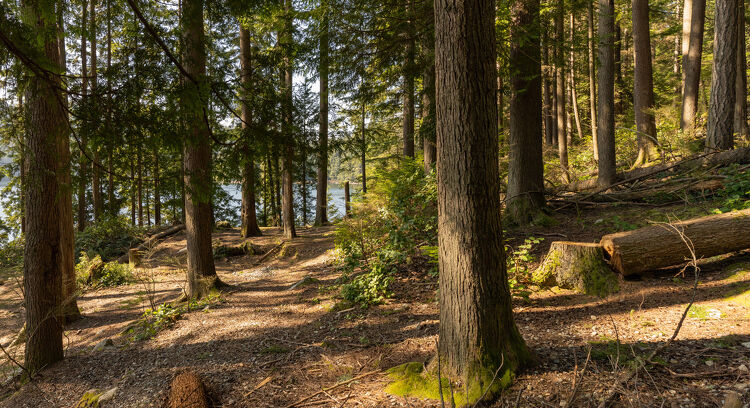
Kaitiakitanga environmental protection is a core responsibility of NNOMT. Key kaitiaki outcomes include:
- Resolution of historic non compliance issues with the National Environmental Standards for Forestry within the first four months of the Forest Manager’s appointment;
- A Northland Regional Council inspection in June 2025 confirmed full compliance, with no corrective actions required; and
- Ongoing environmental monitoring and independent oversight.
Te hauora me te haumaru o te tangata
Health and safety is a priority for NNOMT. Actions taken in the last 12 months include:
- Monthly health and safety audits across forestry operations;
- Regular review of near miss incidents at Board level;
- A comprehensive review of systems and contractor management; and
- Closure of a WorkSafe Improvement Notice after required actions were completed within timeframe.
Ngā wero kei mua i te aroaro
NNOMT continues to operate within a challenging environment, including:
- Volatile export markets;
- High transport and infrastructure costs;
- Historic compliance and legacy issues; and
- Community concerns when forestry impacts daily life (e.g. smoke, access).
Te aronga whakamua
Mō ngā uri kei te heke mai
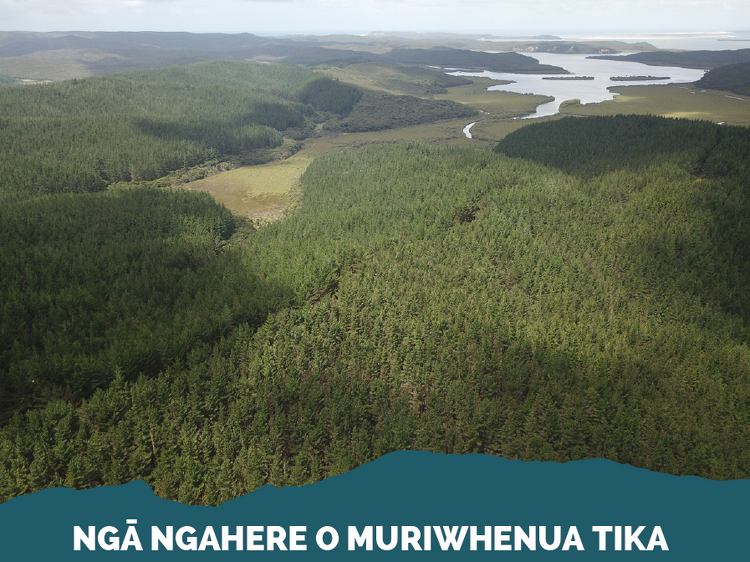
Forestry is a long term kaupapa. Markets will rise and fall, but the focus of NNOMT remains constant:
- Protecting and strengthening the whenua;
- Managing risk wisely;
- Delivering fair, sustainable returns; and
- Leaving future generations a healthier forest than we inherited.
Ko tā mātou whāinga, kia tukua atu he ngahere kaha ake, hauora ake, mō ngā uri whakatipu.